
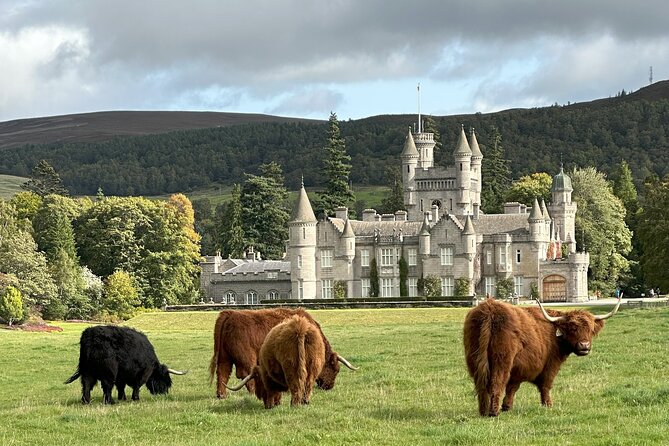
Balmoral Castle has been a private residence for the British royal family since 1852, a fact that underscores its significance in royal history. Originally purchased by Prince Albert, the castle has become a symbol of the monarchy’s connection to Scotland.
Situated in Aberdeenshire, the castle is set within expansive grounds that include gardens, woodlands, and a nearby river. This landscape not only provides the royal family with privacy, but it also reflects the Victorian ideals of nature and beauty that were important to Prince Albert.
The architectural style of Balmoral is notable as well, influenced by Scottish baronial design. This distinctive appearance marks a departure from traditional English royal residences, illustrating the monarchy’s embrace of Scottish culture and heritage.
Interestingly, Balmoral Castle has also played a role in shaping public perceptions of the royal family. Its portrayal in media and literature has contributed to a romanticised view of the monarchy’s ties to the Scottish Highlands, embedding it in the national consciousness as a place of both retreat and tradition.
For cruise passengers visiting the region, Balmoral Castle serves as a point of interest in the broader context of Scottish heritage. While the castle itself is primarily a private residence, the surrounding area offers opportunities for exploration, including guided tours of the gardens and exhibitions detailing its history.
Understanding Balmoral’s role in royal history raises questions about how the monarchy interacts with Scotland and how these interactions have evolved over time. The castle not only represents a lifestyle of the elite but also highlights the complexities of national identity and heritage in the UK.