
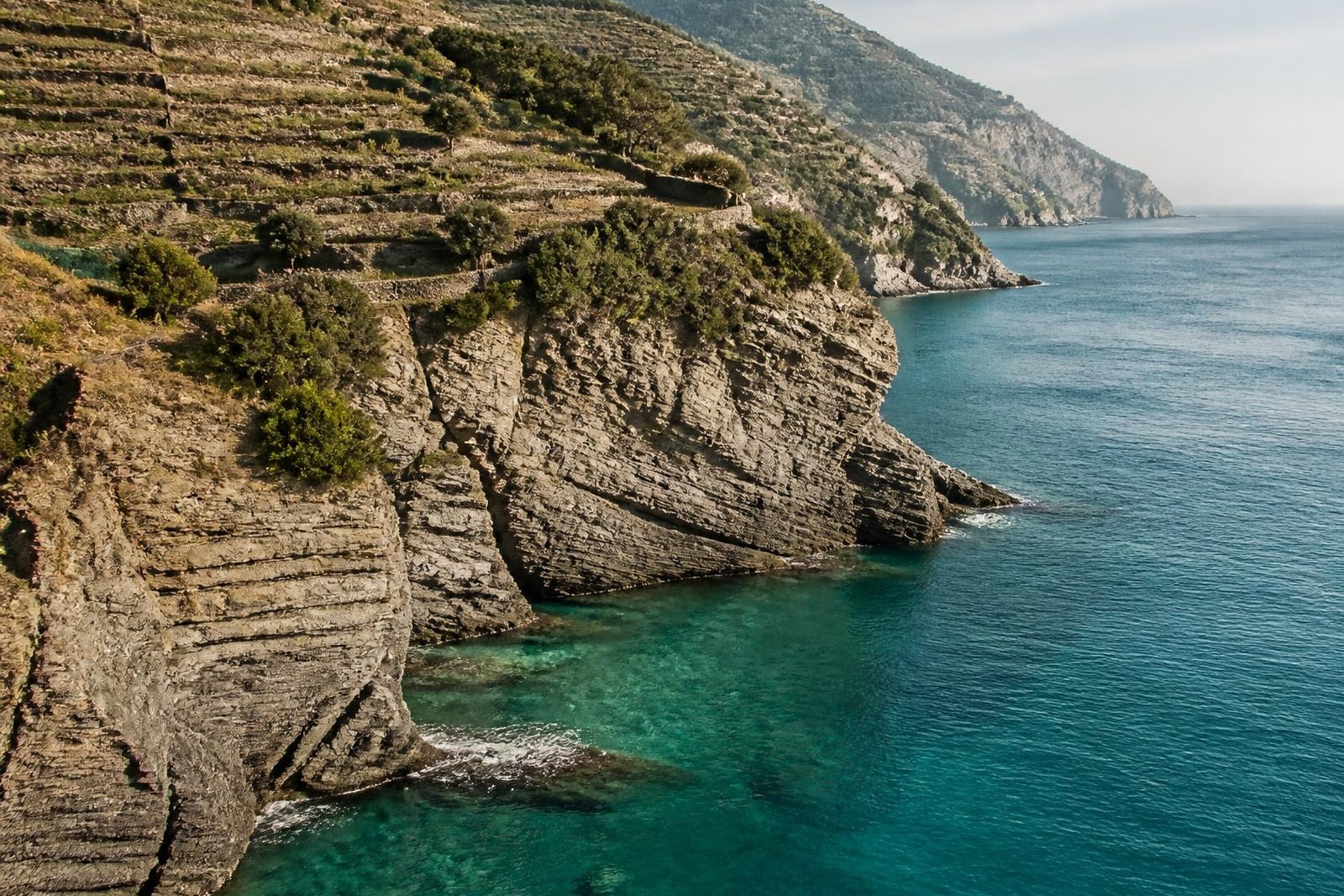
Terraced limestone cliffs above clear turquoise water on the Ligurian coast
Discovered in 1868, the Altamira Cave in Northern Spain is renowned for its exceptional prehistoric cave paintings, dating back around 36,000 years. These artworks, primarily depicting bison, are significant not only for their artistic quality but also for what they reveal about the lives of early humans in the region.
What makes the Altamira Cave particularly intriguing is its status as one of the first sites to demonstrate that prehistoric peoples engaged in sophisticated artistic practices. The vividness and detail of the bison, created using natural pigments and techniques that have withstood the test of time, suggest a deep cultural and spiritual connection between these early humans and their environment.
The discovery of the cave led to a broader understanding of prehistoric art and inspired extensive research into the cognitive and cultural capabilities of early Homo sapiens. This research raises further questions about the social structures of these communities and their relationship with the natural world, prompting scholars to explore how such artistic expressions may have been linked to rituals or communal identity.
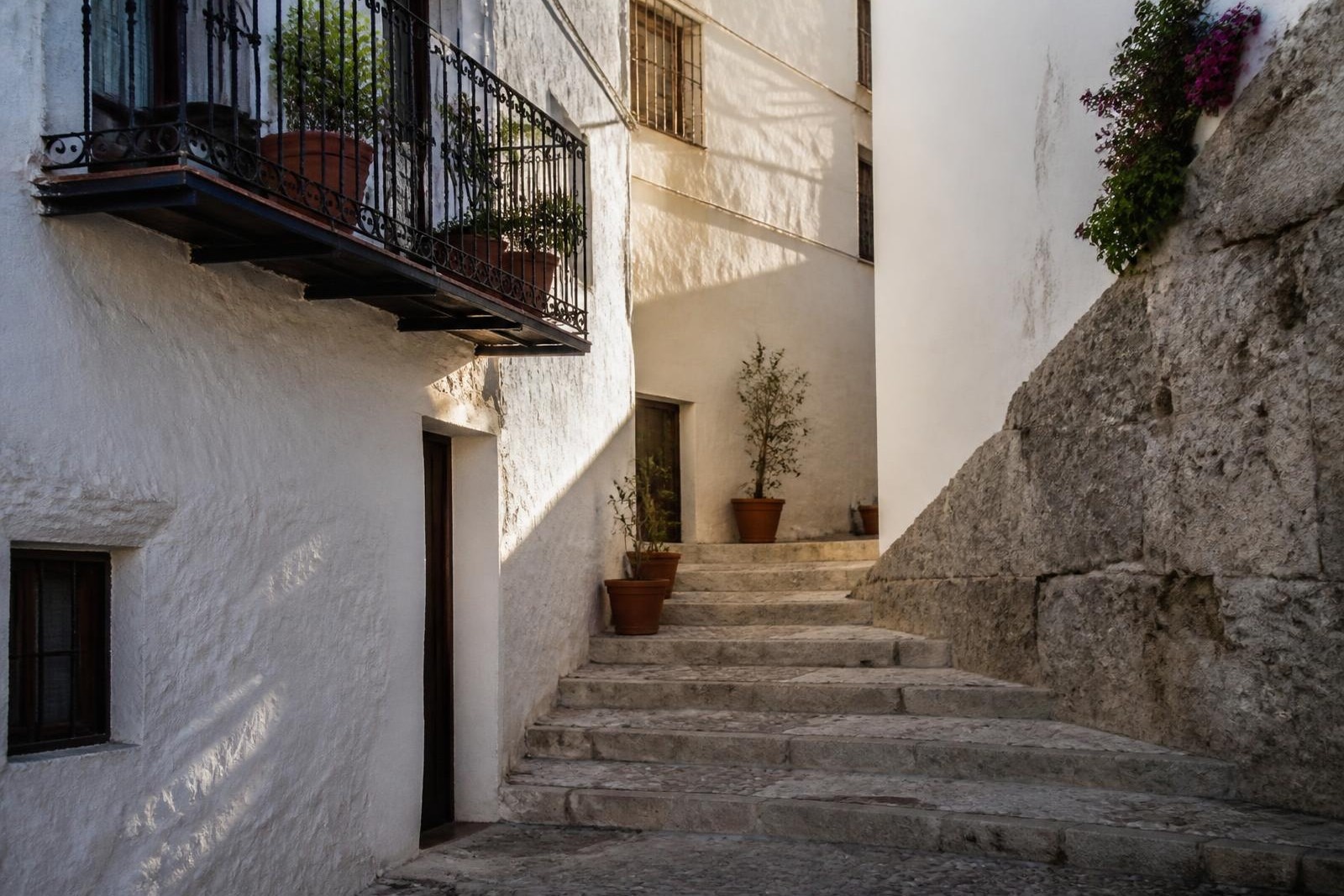
Sunlit whitewashed alley and worn stone steps in an Andalusian old town
Today, the Altamira Cave is part of a UNESCO World Heritage site and has been the subject of conservation efforts due to the fragility of its artwork. Visitors can explore a replica of the cave, which allows for an immersive experience without risking damage to the original paintings. This replication not only preserves the site but also enables a wider audience to appreciate the significance of prehistoric artistry.
For cruise passengers stopping in Santillana del Mar, the Altamira Cave is a short distance away and easily accessible. This proximity allows for a unique opportunity to engage with a pivotal piece of human history, making it a noteworthy addition to the cultural landscape of Northern Spain.